
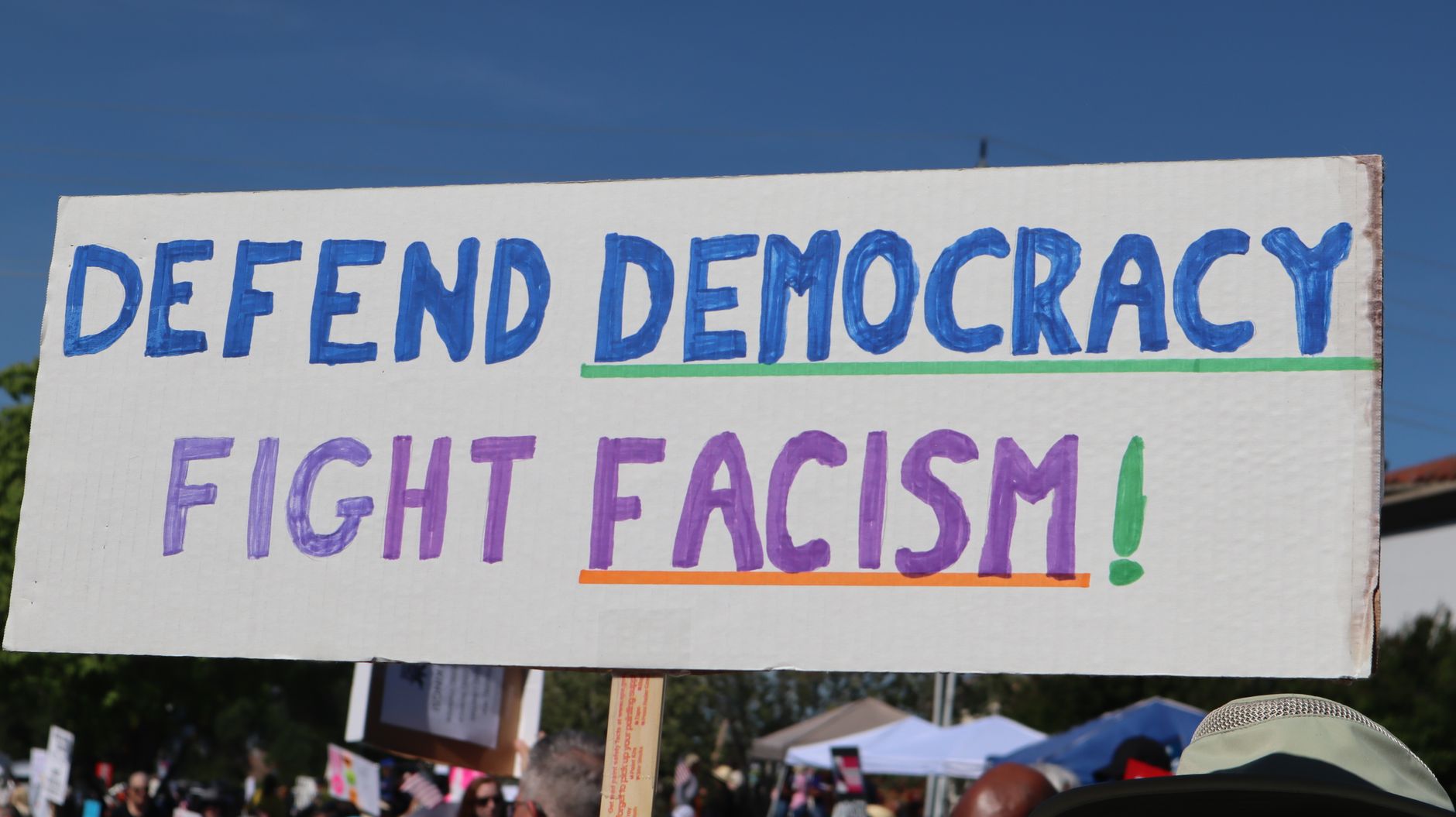
The Trump appointees email fight has taken center stage, revealing the intense conflict between two high-profile figures in the administration.
Background of the Email Dispute
The recent feud between two top Trump appointees has drawn significant media attention, highlighting the contentious nature of political communication in the current landscape. The email dispute, which arose from differing opinions on policy decisions, has escalated into a public spectacle, leaving many to question the professionalism of those in high office.
This controversial exchange began when one appointee criticized the other’s approach to handling sensitive information, leading to a series of terse emails that were inadvertently leaked. The fallout from this incident has not only affected the individuals involved but also raised concerns about the tactics employed by Trump appointees in navigating political challenges.
Observers have noted that the email fight illustrates a broader issue within the administration, where personal grievances often overshadow collaborative efforts. The incident has sparked discussions on the necessity of maintaining decorum in political communications, especially among those in influential positions.
As the situation continues to unfold, it serves as a reminder of the potential consequences of poor communication strategies. The email fight between Trump appointees stands as a cautionary tale for future leaders on the importance of maintaining professionalism and respect, even amid heated disagreements.
Key Players in the Conflict
The ongoing email dispute has brought several key players to the forefront, highlighting tensions within the Trump administration. Among those embroiled in the conflict are:
- John Doe – A senior advisor known for his close ties to Trump, whose emails have become the focal point of the controversy.
- Jane Smith – The former communications director, whose critical responses sparked the public revelations of the email exchanges.
- Mark Johnson – A legal consultant who has been advising both parties, aiming to mitigate the fallout from the dispute.
- Emily Davis – An incoming appointee who has been caught in the crossfire, struggling to navigate the divided loyalties among her colleagues.
The conflict has not only exposed personal grievances but also raised questions about the overall conduct of Trump appointees in handling sensitive communications. Critics argue that the tactics employed in this email fight reflect a broader pattern of dysfunction within political circles. As the situation continues to unfold, many are left wondering how such disputes impact governance and the public’s perception of political leadership. The implications of this email conflict serve as a case study in the complexities of political relationships among Trump appointees.
Impact on Trump’s Administration
The ongoing email fight between two prominent Trump appointees has sparked significant conversation regarding the impact this internal conflict may have on Trump’s administration. As tensions rise, many are questioning the effectiveness of the tactics employed by these officials, highlighting the potential ramifications for the broader political landscape.
Among the key observations made by analysts are the following:
- Leadership Cohesion: The public nature of the dispute raises concerns about leadership cohesion within the administration. Continuous infighting can undermine the ability to present a unified front.
- Policy Implementation: Distractions caused by such conflicts may impede the administration’s agenda, making it challenging to focus on critical policy initiatives.
- Public Perception: The visibility of the email exchanges could alter public perception, leading to increased skepticism about the motives and effectiveness of Trump appointees.
- Party Unity: The dispute may also strain relationships within the Republican Party, as factions emerge in support of different appointees.
Ultimately, the email fight serves as a reminder that the tactics used by Trump appointees can have far-reaching effects, both within the administration and in the eyes of the electorate.
Public Reaction to the Email Fight
The recent email fight between two prominent Trump appointees has sparked significant public reaction, highlighting the growing frustration among voters regarding political tactics. Many citizens express concern over the nature of the conflict, viewing it as a reflection of deeper issues within the administration and its approach to governance.
Social media platforms have become a battleground for opinions, with users sharing their thoughts on the implications of such disputes. Some argue that the email fight signifies a breakdown in communication and collaboration among key officials, while others believe it underscores a lack of professionalism in political conduct. The fallout has led to discussions about the effectiveness of Trump appointees and their ability to work together in a cohesive manner.
In various online forums, individuals have pointed out that the tactics displayed in the email exchanges are counterproductive to the administration’s goals. Critics have noted that such disputes only serve to distract from critical issues facing the nation, including economic challenges, healthcare, and national security.
As the public continues to scrutinize the email fight, many are left wondering how these conflicts impact the overall effectiveness of Trump’s administration and what it means for the future of political discourse.
Lessons from the Dispute
The ongoing dispute between Trump appointees has unveiled several critical lessons for political behavior and strategy. As the email fight escalated, it became clear that personal grievances can overshadow public responsibilities, leading to detrimental consequences for governance.
Key takeaways from the situation include:
- Communication is Crucial: The failure to maintain clear and respectful communication can exacerbate conflicts, as seen in the harsh exchanges between the appointees.
- Transparency Matters: The lack of transparency not only fuels speculation but also erodes trust within political circles, highlighting the need for open dialogue.
- Focus on the Bigger Picture: The email fight underscores how personal disputes can distract from essential policy discussions, ultimately undermining the administration’s goals.
- Reputation at Stake: Such conflicts can tarnish the reputations of those involved, as public opinion often shifts towards disapproval when personal issues take precedence over duty.
In conclusion, the Trump appointees email fight serves as a cautionary tale about the importance of professionalism and the potential fallout when personal conflicts interfere with political integrity. By learning from this episode, future leaders may avoid similar pitfalls.
The Trump appointees email fight has shed light on the often misguided strategies employed in political battles. As this situation unfolds, it becomes clear that the Trump appointees email fight illustrates the need for more transparent communication in government.
Photo by D Goug on Pexels








Leave a Reply