
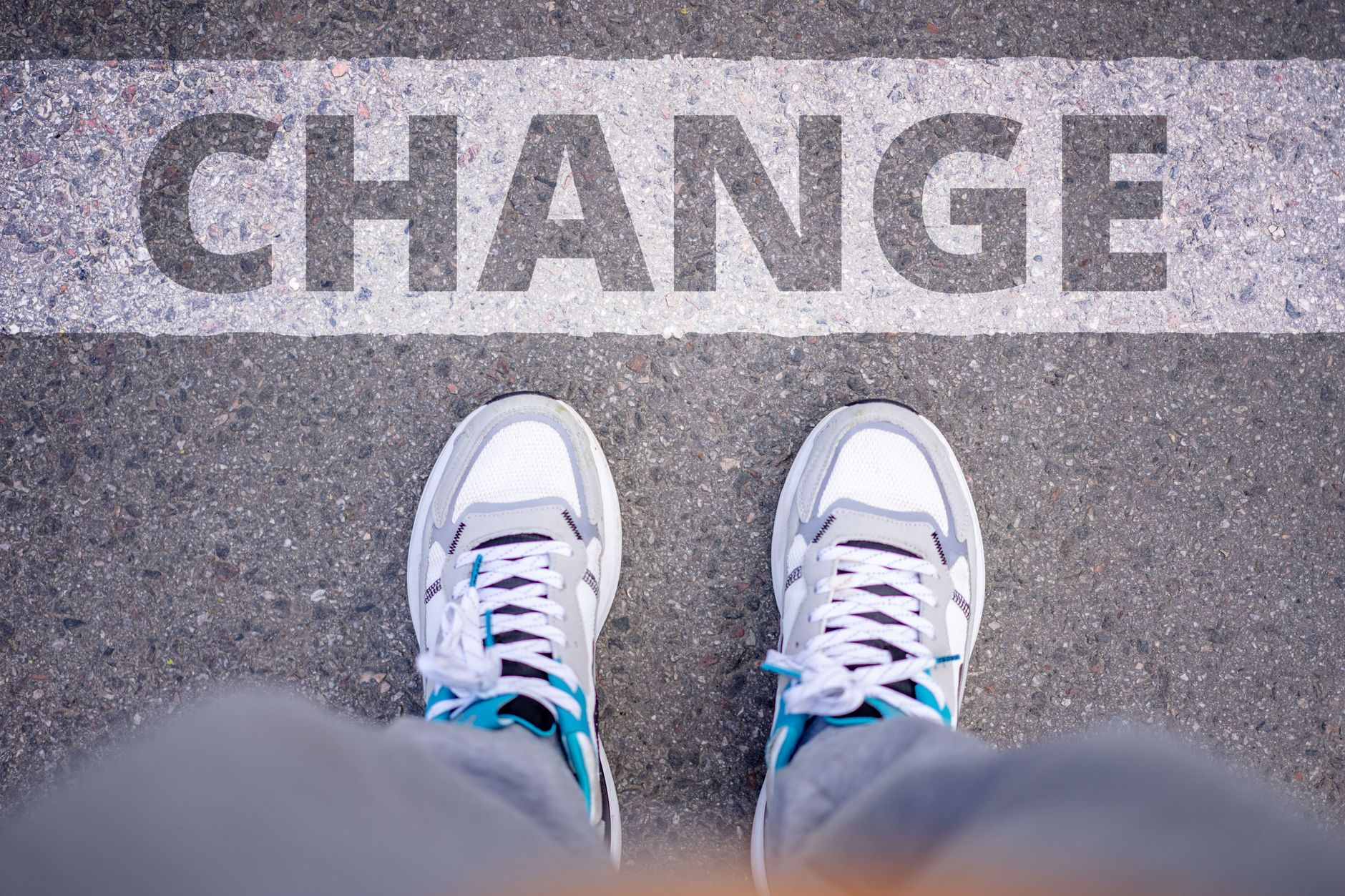
regime change is at the forefront of political discussions as Prashant Bhushan advocates for it, prompting a strong response from the BJP. This clash highlights the ongoing tensions in Indian politics.
Understanding the Call for Regime Change
The recent political discourse in India has been heavily influenced by calls for regime change, a phrase that has sparked intense debate among various political factions. Prominent lawyer and activist Prashant Bhushan has voiced his support for such a change, asserting that the current administration is undermining democratic values.
In his statements, Bhushan emphasized the necessity for a government that prioritizes the rule of law and human rights. He believes that a regime change could pave the way for a more just and equitable society. However, this call has not gone unchallenged.
The ruling party, BJP, has responded strongly, accusing Bhushan and his allies of attempting to orchestrate a coup. They argue that the allegations of misgovernance are politically motivated and aimed at destabilizing the country.
This conflict has ignited a fierce debate about the legitimacy of the current regime and the role of opposition voices in shaping India’s future. As political tensions rise, the implications of advocating for regime change are becoming increasingly significant, raising questions about the path forward for India’s democracy.
BJP’s Response to Bhushan’s Statement
The Bharatiya Janata Party (BJP) has responded strongly to Prashant Bhushan’s recent statement advocating for regime change in India. Party officials have accused Bhushan of attempting to incite unrest and destabilize the government. In a press briefing, BJP spokespersons emphasized that such remarks are not only irresponsible but also indicative of a broader agenda to undermine democratic institutions.
During the briefing, the party outlined its position on several key issues:
- Stability and Governance: BJP leaders argued that the current administration has provided stability and effective governance, contrasting it with the alleged chaos that would accompany a regime change.
- Democratic Values: They asserted that Bhushan’s call is contrary to the spirit of democracy, which thrives on constructive criticism rather than calls for upheaval.
- Public Sentiment: The party claimed that the majority of the public supports the government’s policies and that calls for regime change reflect a minority view.
The BJP reiterated its commitment to maintaining law and order while promoting dialogue, rather than division, as a means of addressing political differences.
The Implications of Political Change
The recent call for regime change by Prashant Bhushan has sparked a heated debate across India, raising questions about its implications for the country’s future. Political analysts suggest that such a shift could lead to significant transformations in governance, policy-making, and international relations.
Supporters of the idea argue that a new regime could bring fresh perspectives to pressing issues such as:
- Economic Reform: Advocates believe that a change in leadership may result in more effective economic policies that prioritize growth and equity.
- Social Justice: A different regime might focus on addressing systemic inequalities and promoting inclusivity.
- Environmental Sustainability: New leadership could potentially prioritize environmental issues, steering India toward a greener future.
Conversely, critics warn that calls for regime change could destabilize the political landscape, leading to uncertainty and division among the populace. They caution against the dangers of radical shifts, suggesting that a more measured approach may be necessary to ensure stability.
As the debate unfolds, the implications of political change will continue to resonate, impacting not only the current administration but also India’s path forward.
Public Opinion on Regime Change
Public opinion on the topic of regime change in India has become increasingly polarized, reflecting the deep divisions within the electorate. A recent survey indicated that a significant portion of the population is in favor of political transformation, with many expressing dissatisfaction with the current government’s performance.
Supporters of regime change argue that a shift in leadership could lead to more effective governance and accountability. They believe that fresh ideas and perspectives are necessary to address pressing issues such as unemployment, inflation, and social inequality.
Conversely, opponents of regime change caution against the potential instability that such a shift could bring. They emphasize the risks associated with abrupt political changes and the importance of maintaining continuity in governance.
Among the electorate, sentiments vary significantly across different demographics:
- Young voters: Many are eager for a new political landscape, believing that it will better represent their aspirations.
- Rural communities: Some express concerns over the impact of regime change on agricultural policies and subsidies.
- Urban professionals: They are often more critical of the current administration and advocate for a new direction.
As discussions continue, the question remains: is regime change truly the right move for India’s future?
Historical Context of Political Overthrows
The concept of regime change has deep roots in global politics, often emerging from periods of unrest and dissatisfaction with existing leadership. Historical instances of political overthrows reveal a pattern where citizens mobilize for change, typically in pursuit of democratic governance, economic stability, or social justice.
In India, the call for regime change is not a novel phenomenon. Over the decades, various movements have sought to replace ruling parties, reflecting the changing aspirations of the populace. For instance, the Emergency period in the 1970s led to significant backlash against the then Prime Minister Indira Gandhi, culminating in a decisive electoral victory for the opposition.
Similarly, the rise of the Bharatiya Janata Party (BJP) in the 2014 elections was, in part, a response to widespread discontent with the Congress-led government. Each instance of political upheaval introduces new dynamics, often accompanied by a surge in political rhetoric and divergent public opinions.
- From the anti-corruption movements of the early 2010s to the current demands for regime change, the narrative continues to evolve.
- Understanding these historical contexts is crucial for comprehending the ongoing debates surrounding political change today.
Future of Indian Politics
The future of Indian politics is shaped by the ongoing discourse around regime change, particularly in the wake of recent statements made by prominent figures like Prashant Bhushan. As the political landscape evolves, several factors will influence the trajectory of governance and policy-making in India.
Political analysts suggest that a shift in leadership could usher in a new era of accountability and transparency. Supporters of regime change argue that it could address the growing concerns over democratic backsliding and authoritarian tendencies. However, critics warn that such a transition might lead to instability and uncertainty.
Moreover, the role of civil society and grassroots movements cannot be overlooked. Citizens are increasingly mobilizing to express their views and push for reform, which could significantly impact the political dynamics. The recent public discourse reflects a deep-seated desire for change among various segments of society.
As different political factions respond to the calls for regime change, it is essential to consider the implications for India’s democratic fabric and its global standing. The coming months will be critical in determining whether the current government can adapt to the changing sentiments or if a new regime will take the reins.
Photo by Atlantic Ambience on Pexels





Leave a Reply