
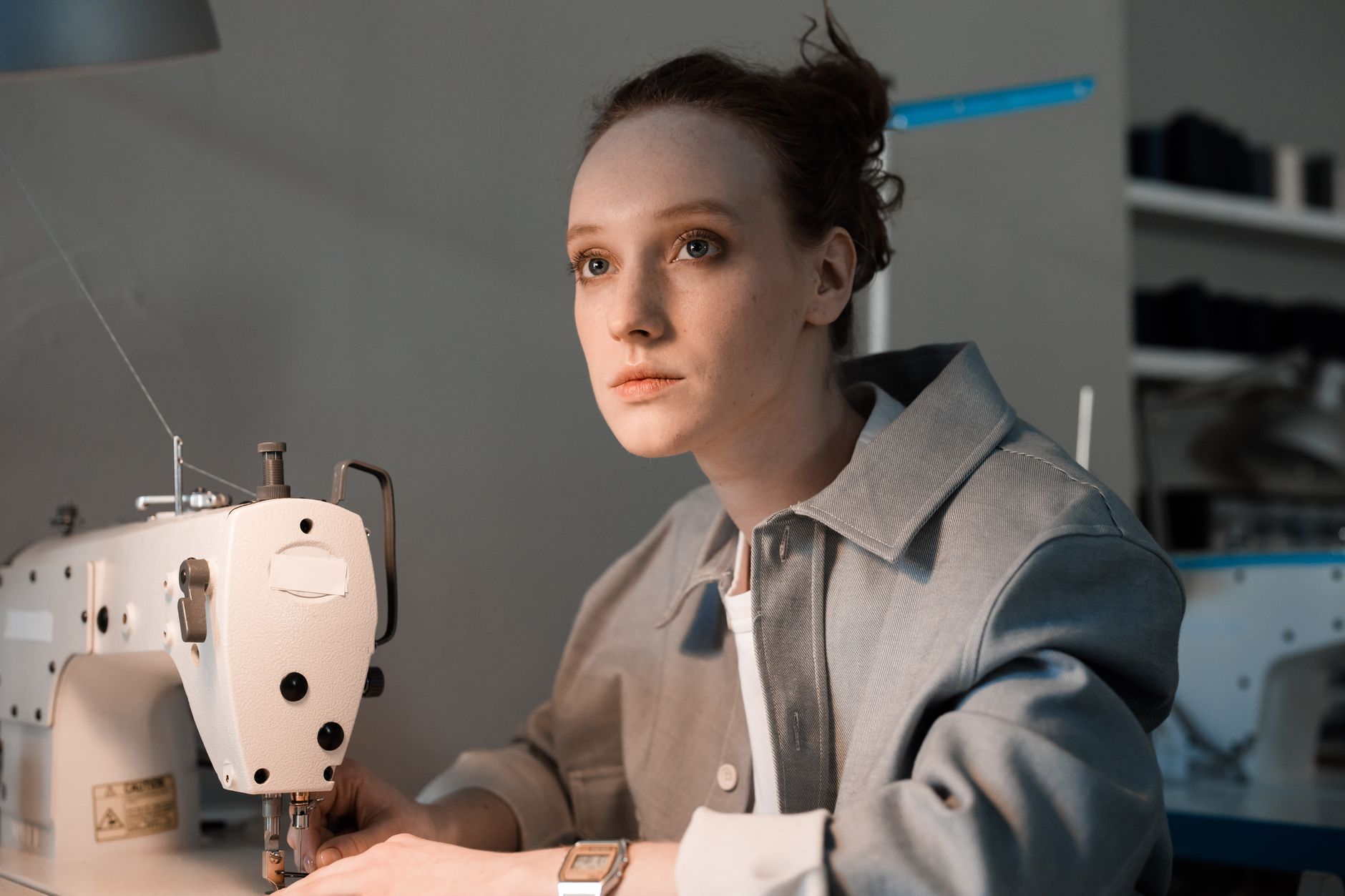
ethical practices Australian fashion are stalling, as highlighted by a recent report. This raises concerns about sustainability and transparency in the industry.
Current State of Ethical Practices
The current state of ethical practices in the Australian fashion industry reflects a complex landscape, as recent reports indicate a stalling in progress. Despite a growing consumer demand for sustainability and transparency, many brands struggle to implement effective ethical measures.
Key challenges include:
- Supply Chain Transparency: Many companies lack clarity regarding their sourcing and manufacturing processes.
- Labor Conditions: Reports of poor working conditions and inadequate wages persist among some garment workers.
- Environmental Impact: The industry continues to face criticism for its contribution to pollution and waste.
As awareness of these issues increases, consumers are calling for more accountability and responsible practices. The question remains: are ethical practices in the Australian fashion industry truly worth the investment for brands, or are they merely a trend?
Impact on Consumers
The impact of ethical practices in the Australian fashion industry on consumers is becoming increasingly significant. As awareness grows regarding environmental and social issues, shoppers are demanding more transparency from brands. Many consumers are now inclined to support companies that prioritize ethical practices, believing it reflects their values.
According to recent surveys, a considerable percentage of Australians are willing to pay more for sustainable clothing. This shift in consumer behavior is prompting brands to reconsider their production methods and supply chains. However, there are challenges; ethical practices often mean higher costs, which can deter some buyers.
The balance between affordability and sustainability remains a critical conversation. As the industry evolves, it is essential for consumers to remain informed and advocate for ethical practices, ensuring that the push for sustainability becomes a standard rather than an exception.
Brands Leading the Change
Several brands in the Australian fashion industry are stepping up to champion ethical practices, demonstrating that sustainability and style can coexist. These companies prioritize fair labor, eco-friendly materials, and transparency in their supply chains, setting benchmarks for others to follow.
Among the leaders in this movement are:
- Outland Denim – Known for its commitment to ethical labor, Outland Denim provides employment opportunities to women affected by exploitation.
- Vege Threads – This brand focuses on organic and recycled materials, reducing environmental impact while promoting local manufacturing.
- Citizen Wolf – Pioneering made-to-order clothing, Citizen Wolf minimizes waste and advocates for ethical practices in garment production.
These innovators illustrate that ethical practices in the Australian fashion industry are not just a trend but a necessary evolution.
Challenges Facing the Industry
The Australian fashion industry is facing significant challenges in its pursuit of ethical practices. A recent report highlights several obstacles that hinder progress, including:
- Cost of Implementation: Many brands struggle with the financial burden of adopting sustainable materials and ethical labor practices.
- Lack of Consumer Awareness: While interest in ethical fashion is growing, many consumers remain uninformed about the importance of ethical practices in Australian fashion.
- Supply Chain Transparency: Brands often find it difficult to trace their supply chains, making it challenging to ensure ethical standards are met.
- Competitive Pressure: Fast fashion continues to dominate the market, putting pressure on ethical brands to lower prices.
These challenges complicate the industry’s transition to more ethical practices, raising questions about sustainability and accountability.
Future of Ethical Fashion in Australia
The future of ethical practices in the Australian fashion industry appears to be at a crossroads. As consumers increasingly demand transparency and sustainability, brands are under pressure to adapt. However, a recent report indicates that progress may be stalling, with many companies failing to implement meaningful changes.
Despite the challenges, there are signs of hope. More designers are embracing ethical practices, prioritizing eco-friendly materials and fair labor conditions. Additionally, a growing segment of consumers is willing to pay a premium for ethically produced clothing, driving demand for sustainable options.
Industry experts suggest that collaboration among brands, government, and non-profit organizations could foster innovation and accountability. As the conversation around ethical fashion in Australia continues to evolve, the commitment to ethical practices remains crucial for the industry’s long-term viability.
Many consumers are increasingly demanding that brands adopt ethical practices Australian fashion to ensure sustainability and fair labor. As a result, some companies are re-evaluating their strategies to incorporate these ethical practices Australian fashion into their core values.
Photo by Ron Lach on Pexels

Leave a Reply