
Saudi FII postponement has raised eyebrows in the investment community as it signals shifting priorities in the face of Wall Street lobbying efforts.
Understanding the Saudi FII Postponement
The recent Saudi FII postponement has sent ripples across the global investment community. Initially scheduled to take place in person, the event’s delay comes in the wake of significant lobbying efforts from Wall Street, aiming to influence the kingdom’s investment strategies.
This postponement raises several questions regarding the future of foreign investments in Saudi Arabia. For investors, understanding the implications of this delay is crucial. Key factors to consider include:
- Market Sentiment: The postponement may lead to uncertainty among investors, impacting their confidence in the Saudi market.
- Strategic Shifts: With the change in schedule, the focus may shift to digital engagement, altering the dynamics of investor relations.
- Political Influences: The role of lobbying highlights how external pressures can shape investment landscapes.
- Future Opportunities: Despite the delay, the event’s rescheduling could provide a chance for more targeted discussions on pressing investment topics.
As the situation evolves, investors must remain vigilant and adapt to the shifting dynamics that accompany such major developments.
Reasons Behind the Delay
The recent Saudi FII postponement has raised eyebrows in the investment community, prompting discussions about the underlying reasons for the delay. Several factors contribute to this decision, which may significantly impact investors and the broader market.
- Wall Street Lobbying: Reports indicate that intense lobbying from Wall Street firms influenced the timing of the event. Concerns were raised about the need for a more favorable environment before hosting international investors.
- Market Volatility: Ongoing fluctuations in global markets have made it challenging for investors to assess risks accurately. The Saudi authorities may have opted to postpone the event to allow for a more stable economic climate.
- Strategic Planning: The delay could also be part of a larger strategy to ensure that the FII aligns with Saudi Arabia’s Vision 2030 goals, providing a more robust framework for foreign investments.
- Geopolitical Factors: Regional tensions and geopolitical uncertainties may have prompted the postponement, as Saudi Arabia seeks to project stability and confidence to potential investors.
Understanding these reasons is crucial for investors looking to navigate the evolving landscape following the Saudi FII postponement.
Impact on Global Markets
The recent Saudi FII postponement has sent ripples through global markets, causing investors to reassess their strategies. The delay of the Future Investment Initiative (FII) is particularly significant given that this event typically attracts major global players and influences market trends.
Analysts have noted several potential impacts on the markets:
- Investor Sentiment: The uncertainty surrounding the postponement may lead to caution among investors, particularly those with exposure to Saudi assets.
- Market Volatility: With large investments often dependent on the outcomes of such high-profile events, markets may experience increased volatility as traders react to news.
- Capital Flows: The delay could impact capital flows into the region, as funds may be redirected to other emerging markets that are perceived as more stable.
- Long-term Plans: Companies looking to establish or expand their presence in Saudi Arabia may reevaluate their long-term strategies in light of the postponement.
As investors digest the implications of the Saudi FII postponement, they will be keenly watching for any signals that could indicate the timing and nature of future developments.
Wall Street’s Role in the Decision
The recent Saudi FII postponement has drawn significant attention, particularly regarding Wall Street’s influence on this pivotal decision. Industry experts suggest that lobbying efforts from major investment firms played a crucial role in shaping the timing and format of the event.
As the Saudi government navigates complex global economic conditions, Wall Street’s extensive outreach has underscored the importance of aligning the FII’s objectives with the broader interests of international investors. Some analysts argue that the delay could be a strategic move, allowing for a more favorable environment for foreign investments.
In response to the postponement, several key players in the financial sector have expressed concerns about potential missed opportunities. They believe that an in-person forum could have facilitated more robust discussions and connections between Saudi leaders and global investors.
As the situation unfolds, market participants are left to ponder the implications of this decision. The balance between local and international interests remains delicate, and the eventual outcome of the FII could redefine investment flows into Saudi Arabia.
Future of Saudi Investments
The future of Saudi investments is now facing a critical juncture following the recent Saudi FII postponement. As global investors reassess their strategies, the implications of this delay will ripple through various sectors, creating a mix of opportunities and challenges.
Key aspects to consider include:
- Market Sentiment: The postponement may lead to a more cautious approach among investors who were previously optimistic about Saudi Arabia’s economic reforms and diversification efforts.
- Investment Flow: A shift in investment flow could occur as investors look to other emerging markets, potentially leading to reduced capital inflow into Saudi projects.
- Long-Term Strategy: Firms may need to reevaluate their long-term strategies, balancing immediate concerns with the Kingdom’s vision for 2030.
- Partnerships: The delay could open doors for new partnerships, as local and international stakeholders seek to adapt to the changing landscape.
Ultimately, while the Saudi FII postponement presents hurdles, it also offers a chance for stakeholders to innovate and align their objectives with the evolving market dynamics.
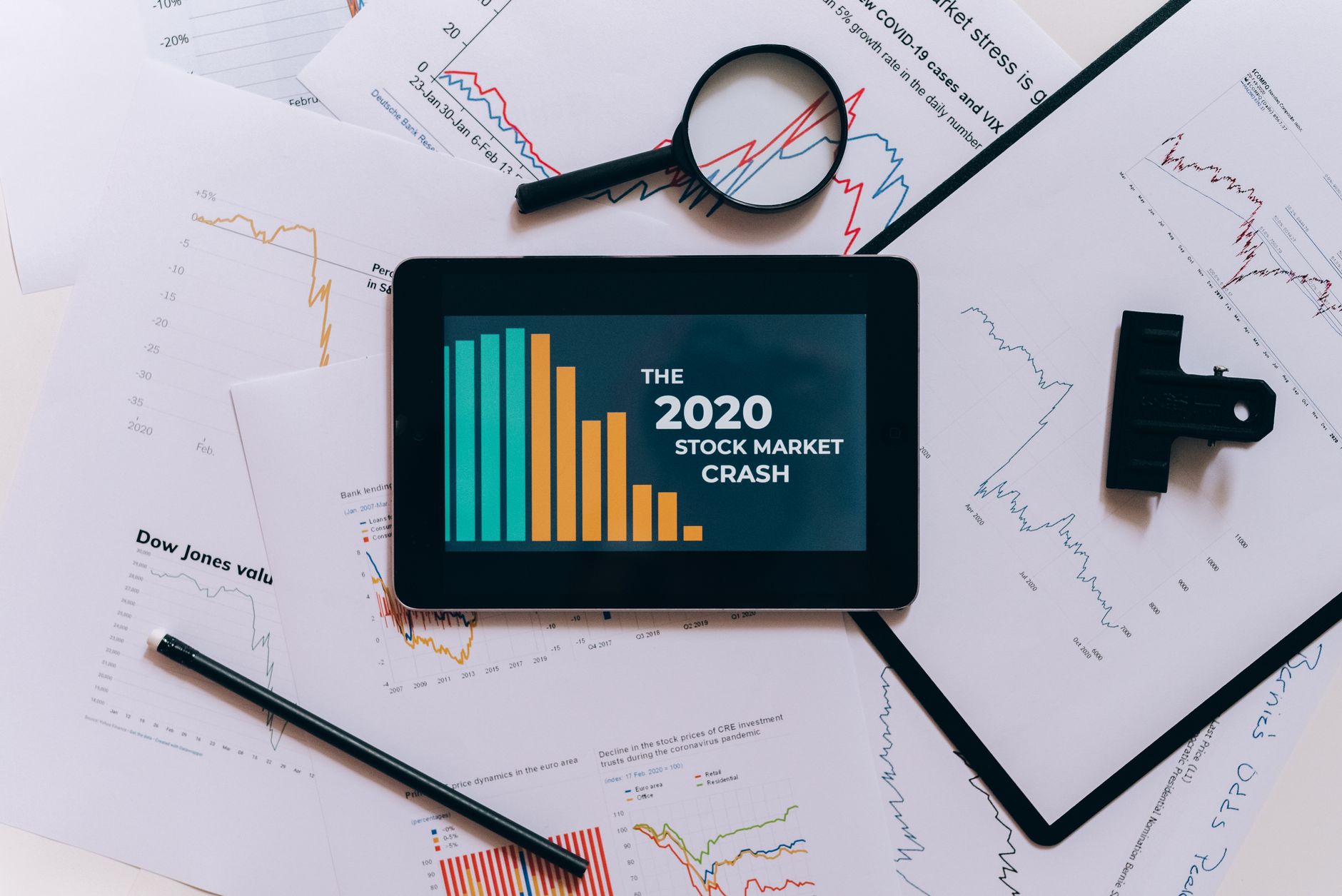
Photo by Jepoy Fabian on Pexels




Leave a Reply