
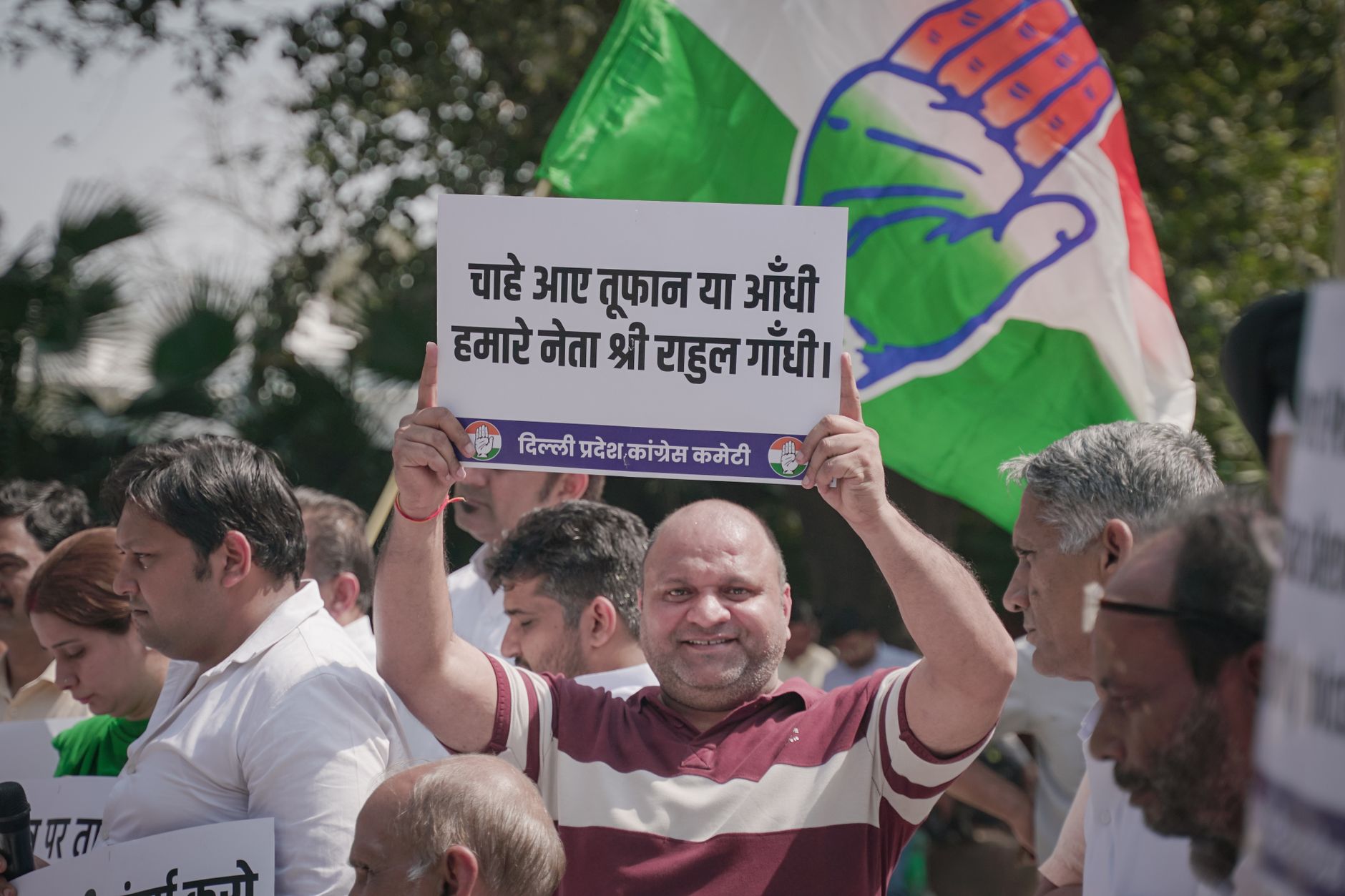
Rahul Gandhi MPSC chairman leave has been hailed as a significant victory for students’ Satyagraha. This development highlights the importance of student activism in educational governance.
Overview of the MPSC chairman’s leave
The recent announcement regarding the MPSC chairman’s leave has ignited a wave of enthusiasm among students and activists alike. Rahul Gandhi has hailed this decision as a significant victory for the ongoing Satyagraha movement championed by students. This movement sought to address long-standing grievances regarding the examination process and the transparency of the Maharashtra Public Service Commission (MPSC).
With the MPSC chairman’s leave, many students believe that their voices have finally been heard. Activists argue that this step is a crucial turning point in their struggle for fair treatment and justice in the examination system. The decision, influenced by widespread protests and demands for accountability, symbolizes a victory not just for the students but for the democratic process itself.
Key points surrounding the MPSC chairman’s leave include:
- Student Activism: The role of student-led protests in prompting this decision.
- Transparency Demands: Calls for clearer procedures and criteria in the examination process.
- Future Implications: What this means for the governance of the MPSC moving forward.
As discussions continue, the impact of this decision remains to be fully seen, but optimism runs high among students advocating for change.
Impact on students’ Satyagraha
The recent announcement regarding the MPSC chairman’s leave has sparked a wave of optimism among students participating in the ongoing Satyagraha. Many view this decision as a significant victory, reflecting the collective efforts of those advocating for transparency and fairness in the examination process.
Students have been vocal about their concerns regarding the MPSC’s handling of various issues, including exam irregularities and delays. The leave of the MPSC chairman is seen as a crucial step towards addressing these grievances. As noted by Rahul Gandhi, this development is not just an administrative change but a moment of empowerment for students who have tirelessly fought for their rights.
In the aftermath of this announcement, many students have expressed their renewed commitment to advocating for necessary reforms. They believe that their voices have been heard and that their perseverance will lead to positive changes in the examination system. This sentiment is echoed across social media platforms, where students are sharing their experiences and celebrating the outcome of their efforts.
- Increased awareness: The situation has brought attention to the challenges faced by students.
- Greater unity: The Satyagraha has fostered a sense of community among participants.
- Hope for reform: There is optimism that this will lead to meaningful changes in the MPSC processes.
Rahul Gandhi’s response to the situation
In response to the recent developments regarding the MPSC chairman’s leave, Rahul Gandhi expressed his support for the students who have been active in their Satyagraha. He emphasized the importance of their struggle and the implications it holds for fair governance and transparency within the examination process.
During a press conference, Gandhi stated, “The decision for the MPSC chairman to take leave is a clear victory for the students who have tirelessly fought for their rights and a just evaluation system.” He acknowledged the challenges faced by the students and praised their determination in making their voices heard.
He further remarked that this situation should serve as a wake-up call for authorities to prioritize student welfare and ensure that processes are in place to uphold the integrity of examinations.
Gandhi’s comments resonate with many, as students have been vocal about their concerns, leading to widespread support for their cause. The former Congress president reiterated his commitment to standing alongside the students as they continue to advocate for a fair and just framework for the MPSC examinations, highlighting that Rahul Gandhi MPSC chairman leave symbolizes a pivotal moment in their ongoing struggle for justice.
Historical context of student activism in India
Student activism in India has a rich history, marked by numerous movements that have sought to advocate for educational reforms and social justice. From the anti-colonial struggles to contemporary issues, students have often been at the forefront of demanding change. The recent situation surrounding Rahul Gandhi’s statement on the MPSC chairman’s leave is a testament to this enduring legacy.
Over the decades, student movements have played a crucial role in shaping public policy and government accountability. In the 1970s, for instance, the Emergency period saw significant unrest as students voiced their dissent against authoritarian rule. Similarly, the 1990s brought the liberalization movement, where students rallied for opportunities and better educational structures.
In recent years, the role of social media has amplified student voices, allowing for rapid mobilization and increased visibility of their demands. The MPSC chairman’s leave, hailed by Rahul Gandhi as a clear victory for students, highlights how collective efforts can lead to tangible outcomes. This moment not only represents a victory for the students’ Satyagraha but also rekindles hope for ongoing student activism across the nation.
- Historical movements have paved the way for current activism.
- Social media has transformed student engagement.
Reactions from educational authorities
In the wake of MPSC chairman’s leave, educational authorities have shared their perspectives on the developments. Many officials have expressed their support for the decision, viewing it as a necessary step towards restoring fairness in the examination process.
Dr. Anita Joshi, the Director of State Education Department, stated, “This move is a significant milestone for our students. It reflects the growing acknowledgment of their rights and the necessity for transparency in the educational system.”
Similarly, Professor Vikram Sharma, an education policy expert, emphasized that the chairman’s departure could pave the way for reforms that address longstanding issues in the examination framework. “Students have been vocal about their concerns, and this is a clear victory for their collective voice,” he noted.
However, not all reactions have been positive. Some critics argue that the decision may set a dangerous precedent, leading to instability within educational governance. They believe it is crucial to maintain a balance between student activism and institutional integrity.
Overall, the consensus among many educational authorities leans towards viewing Rahul Gandhi MPSC chairman leave as a pivotal moment in the ongoing dialogue about student rights and accountability in the education sector.
Future implications for the MPSC
The recent decision regarding the MPSC chairman’s leave signifies a pivotal moment for the future of the Maharashtra Public Service Commission (MPSC). As students rally for their rights, this event not only underscores the power of collective activism but also sets a precedent for how educational governance may evolve in India.
With Rahul Gandhi’s support, the implications of this decision are far-reaching:
- Increased Accountability: The leave of the MPSC chairman establishes a framework for greater scrutiny of officials, promoting a culture of transparency within the commission.
- Empowerment of Students: This outcome serves as an empowering moment for students, reinforcing their belief that their voices can lead to tangible changes in policy and governance.
- Potential Reforms: The MPSC may undergo significant reforms in response to student demands, leading to more inclusive processes in examination and recruitment.
- Heightened Awareness: The situation has raised awareness about the challenges faced by students in competitive examinations, possibly influencing future government policies.
In essence, the MPSC chairman’s leave is a clear victory for students, setting the stage for a more responsive educational framework in the future.
Public opinion on Rahul Gandhi’s stance
Public opinion regarding Rahul Gandhi’s stance on the MPSC chairman’s leave has been largely positive, with many students and activists praising his support for their cause. The announcement of the chairman’s departure has been interpreted as a significant victory, validating the efforts of those who participated in the recent Satyagraha.
Students have taken to social media platforms to express their gratitude towards Gandhi, highlighting his willingness to stand up for their rights. Many believe that his involvement has brought greater visibility to their struggles and has encouraged a sense of solidarity among the student community.
Supporters of Gandhi argue that this move symbolizes a shift in the political landscape, where the voices of young people are increasingly being acknowledged. One student leader stated, “Rahul Gandhi’s backing gives us hope that our demands will be taken seriously.” However, there are also critics who caution that political interference in educational matters can have long-term consequences.
Despite differing opinions, it is clear that the MPSC chairman’s leave, as acknowledged by Gandhi, has united many in a common goal. This moment marks a pivotal point in student activism, reinforcing their determination to advocate for a fair educational system.
Next steps for the student movement
The recent development regarding the MPSC chairman’s leave marks a pivotal moment for the student movement, prompting several potential next steps. Student leaders and activists are now strategizing on how to sustain the momentum gained during the Satyagraha, aiming to ensure that their demands for fair examination processes and transparency are met.
One immediate action being discussed is the organization of a series of peaceful demonstrations across major cities, aimed at raising awareness about the ongoing issues within the MPSC. These events will serve not only to celebrate the recent victory but also to mobilize further support from other student groups and the general public.
Additionally, students plan to engage with educational authorities to discuss reforms and ensure that the chairman’s leave translates into lasting changes within the commission. Collaborating with alumni and other stakeholders will be crucial in amplifying their voices.
Furthermore, social media campaigns are being devised to highlight the challenges faced by students, leveraging the recent attention on Rahul Gandhi’s position to garner wider support. The aim is clear: to transform this moment of victory into a sustained movement that champions student rights and accountability in educational governance.
The recent decision to grant Rahul Gandhi MPSC chairman leave has sparked a wave of optimism among students. This move is seen as a clear victory for students who have long advocated for fair representation in the examination system.
Photo by Sandeep Kashyap on Pexels
Read the original
Related stories
Dollar to Naira exchange rate: What’s the Best Today? · Tenant Activist Housing: The Right Approach to Reform · Manipur shutdown protest: Is it the Wrong Move for Unity?



Leave a Reply