
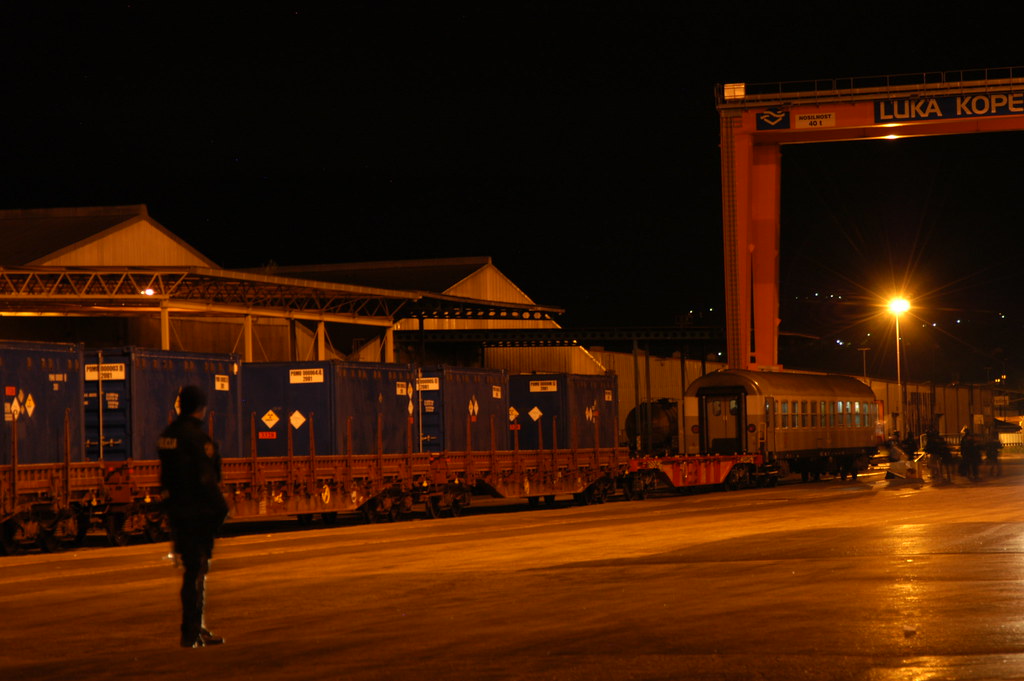
nuclear reactors in ports are becoming a focal point of U.S. energy strategy. This initiative aims to enhance energy security and reduce reliance on traditional fuel sources.
The Future of Nuclear Energy
The future of nuclear energy is increasingly being envisioned through innovative solutions such as nuclear reactors in ports and on cargo ships. This forward-thinking approach aims to enhance energy security while addressing growing energy demands in a sustainable manner.
As nations seek reliable and clean energy sources, the deployment of nuclear reactors in strategic locations like ports offers numerous advantages. These reactors can provide power to coastal cities or remote areas, minimizing transmission losses and improving grid stability. Furthermore, advancements in technology allow for smaller, modular reactors that can be more easily transported and integrated into existing infrastructures.
The integration of nuclear reactors in ports is not just a theoretical concept; it is gaining traction in various countries. Key benefits include:
- Energy Independence: Reducing reliance on fossil fuels and enhancing national energy resilience.
- Environmental Impact: Limiting carbon emissions and contributing to climate change mitigation efforts.
- Job Creation: Generating new opportunities in nuclear technology and related sectors.
As the world navigates the challenges of energy transition, the strategic deployment of nuclear reactors in ports stands out as a promising solution, paving the way for a cleaner and more secure energy future.
Benefits of Nuclear Reactors
The integration of nuclear reactors in ports offers a multitude of benefits that contribute to both energy security and environmental sustainability. As countries seek reliable energy sources, the deployment of nuclear technology in strategic locations presents a promising solution.
- Enhanced Energy Security: By positioning nuclear reactors in ports, nations can bolster their energy supply, reducing dependence on fossil fuels and foreign energy imports. This localized energy generation ensures that critical infrastructure remains resilient against global supply chain disruptions.
- Reduced Carbon Emissions: Nuclear energy is a low-carbon option that significantly lowers greenhouse gas emissions compared to traditional energy sources. Utilizing reactors in ports aligns with global efforts to combat climate change and transition to cleaner energy.
- Job Creation: The construction and operation of nuclear facilities create numerous jobs, stimulating local economies. Skilled workers are needed for maintenance and oversight, leading to long-term employment opportunities.
- Innovative Technology: Modern reactor designs prioritize safety and efficiency, addressing past concerns about nuclear energy. Developing reactors in ports allows for the implementation of advanced technologies that enhance performance and safety.
Overall, establishing nuclear reactors in ports not only strengthens energy independence but also supports environmental goals, making it a strategic choice for the future.
Challenges of Implementation
Despite the potential advantages of deploying nuclear reactors in ports, several challenges must be addressed to ensure successful implementation. These obstacles range from regulatory hurdles to public perception issues.
Firstly, the regulatory framework governing nuclear energy is complex and varies significantly between regions. Establishing a safe and effective system for nuclear reactors in ports will require extensive collaboration between federal, state, and local authorities. This coordination is essential to navigate the intricate safety standards and licensing processes involved in nuclear operations.
Secondly, public perception poses a significant challenge. Many communities harbor fears regarding the safety of nuclear energy, stemming from historical accidents and misunderstandings about modern technology. Engaging with local stakeholders and providing transparent information about safety measures will be crucial in alleviating these concerns.
Additionally, logistics plays a critical role. The integration of nuclear reactors into existing port infrastructures must be carefully planned to minimize disruptions and ensure operational efficiency. This includes considerations around waste management, emergency preparedness, and the overall impact on port activities.
In summary, while the prospect of nuclear reactors in ports holds promise for enhancing energy security, addressing these challenges is vital to harnessing their full potential.
Global Perspectives on Nuclear Technology
As nations grapple with energy security and climate change, the discussion surrounding nuclear reactors in ports gains traction globally. Countries like the United States, Russia, and China are at the forefront of this innovative approach, exploring the potential benefits of deploying nuclear technology in their coastal regions.
Proponents argue that placing nuclear reactors in ports could significantly enhance energy resilience, allowing for rapid deployment in crisis situations. The compact design of these reactors makes them suitable for maritime environments, where they can provide power to coastal communities or support large-scale maritime operations.
Additionally, several nations are focusing on the environmental advantages. Nuclear energy offers a low-carbon alternative, essential for meeting international climate goals. By harnessing nuclear power in strategic locations, countries can reduce reliance on fossil fuels and minimize greenhouse gas emissions.
However, international perspectives on this advancement vary. Some countries express concerns over safety and regulatory frameworks, while others are eager to embrace the technology’s potential. As discussions evolve, a collaborative approach may be necessary to address the challenges and maximize the benefits of nuclear reactors in ports, ensuring that energy security and environmental sustainability go hand in hand.
By IAEA Imagebank via Openverse
References
Related reading
Cyber Breach Patient Records: Worst Impact on Privacy · EAAA India IPO: Proven Ways to Invest Smartly · Amit Shah’s Clear Jibe: Rahul Gandhi’s 30-Year Power Gap



Leave a Reply