
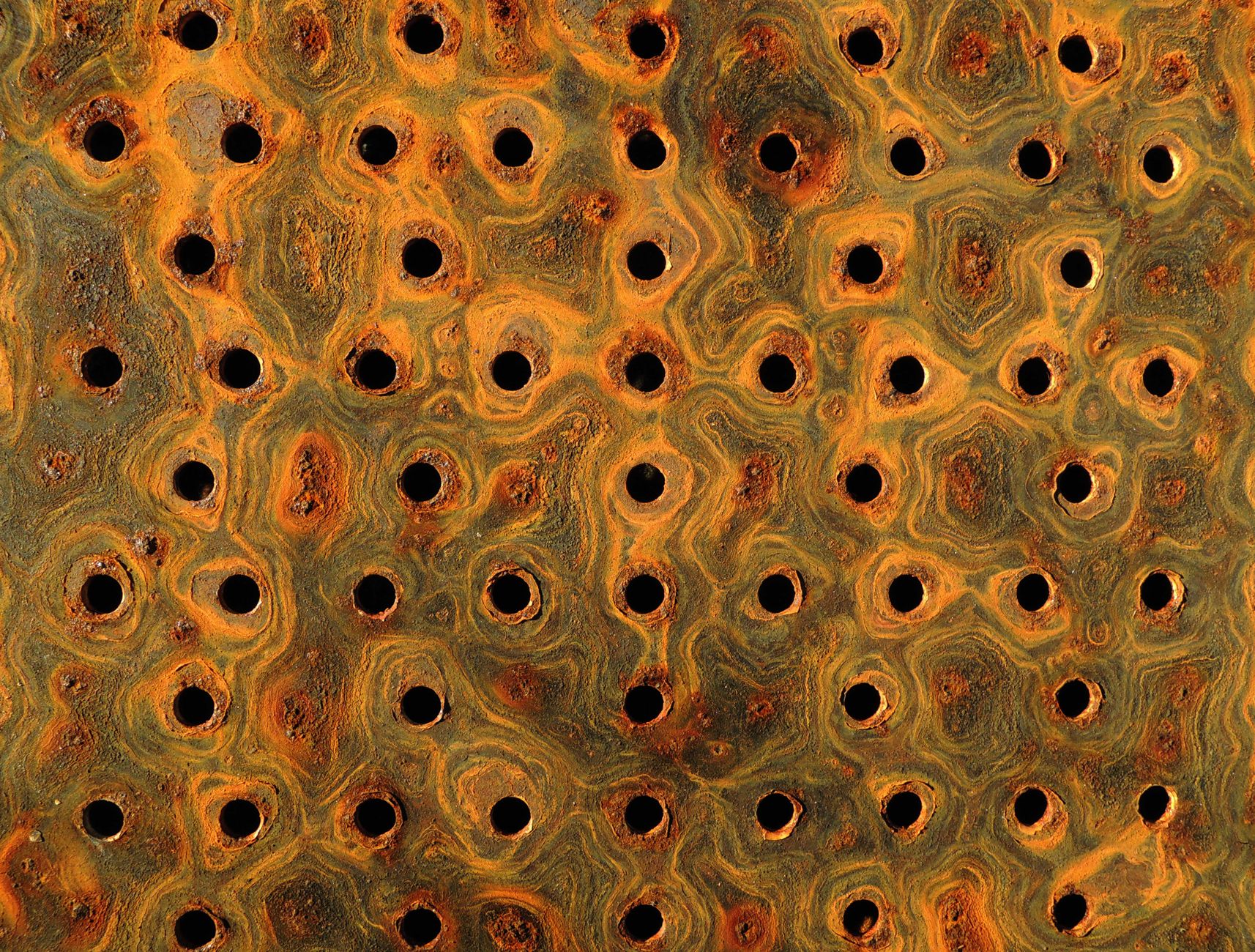
Graphene oxide patterns are revolutionizing the way we understand drying droplets. Recent research highlights how nanosheets of graphene oxide can control the patterns left behind as droplets evaporate, leading to exciting applications in various fields.
Understanding Graphene Oxide
Graphene oxide is a remarkable material known for its unique properties and versatility in various applications. It is derived from graphite and consists of a single layer of carbon atoms arranged in a two-dimensional honeycomb lattice, which is functionalized with oxygen-containing groups. This composition grants graphene oxide distinct characteristics such as increased hydrophilicity and enhanced electrical conductivity.
One of the most fascinating aspects of graphene oxide is its ability to form intricate patterns during processes like drying droplets. When a droplet of graphene oxide solution evaporates, it leaves behind complex graphene oxide patterns that can resemble everything from spider webs to artistic mosaics. This phenomenon occurs due to the interplay of surface tension and the movement of particles within the droplet, leading to a self-organization of nanosheets.
Researchers are exploring various techniques to manipulate these patterns for innovative applications, including:
- Controlled evaporation: Modifying environmental conditions to guide droplet behavior.
- Surface modifications: Altering substrates to influence pattern formation.
- Concentration adjustments: Changing the concentration of the graphene oxide solution to achieve desired patterns.
Understanding these techniques opens new avenues for utilizing graphene oxide in electronics, sensors, and other advanced materials.
How Do Nanosheets Work?
Nanosheets of graphene oxide work through a unique mechanism that involves the interaction of particles during the drying process of a droplet. As a droplet evaporates, the concentration of graphene oxide increases, leading to the formation of intricate patterns.
One of the key aspects of this phenomenon is capillary action, where the liquid’s surface tension draws particles toward the edges of the droplet. This process allows the graphene oxide to self-assemble into structured formations as the droplet shrinks. The resulting patterns can vary significantly based on several factors, including:
- Initial concentration of graphene oxide in the droplet
- Evaporation rate of the solvent
- Temperature and environmental conditions
These factors influence how the nanosheets align and aggregate, ultimately leading to the creation of unique graphene oxide patterns. By manipulating these variables, researchers can control the final design and functionality of the resulting material, opening up new avenues for applications in various fields, such as electronics and materials science.
Impact of Drying Droplets
The impact of drying droplets on graphene oxide patterns has garnered significant attention in recent research. When a droplet of graphene oxide solution evaporates, it can lead to the formation of unique structures that are influenced by various factors, including the evaporation rate and substrate properties.
During the evaporation process, the solute, in this case, graphene oxide, tends to migrate towards the edges of the droplet. This phenomenon is primarily due to the Marangoni effect, where surface tension gradients cause fluid movement. As the droplet shrinks, the concentration of graphene oxide increases, leading to the assembly of nanosheets that create intricate patterns.
Researchers have identified several techniques that can optimize the formation of these patterns, including:
- Controlling the evaporation rate by modifying environmental conditions, such as temperature and humidity.
- Altering substrate materials to enhance adhesion and pattern stability.
- Utilizing surfactants to manipulate droplet behavior during evaporation.
These advancements in understanding graphene oxide patterns not only expand knowledge in materials science but also pave the way for innovative applications in electronics and coatings.
Applications in Material Science
Graphene oxide patterns have gained significant attention in material science due to their unique properties and versatile applications. These patterns can be utilized in various fields, ranging from electronics to biomedical engineering.
One of the most promising applications lies in the development of advanced electronic devices. The conductivity and flexibility of graphene oxide make it an ideal candidate for creating transparent conductive films, which are crucial in touch screens and solar cells. Additionally, researchers are exploring the use of graphene oxide patterns in sensors, where its high surface area can enhance the sensitivity and selectivity of chemical detection.
In the realm of biomedical applications, graphene oxide patterns are being investigated for drug delivery systems. The ability to control the release of therapeutic agents through tailored nanosheet configurations can lead to more effective treatments with fewer side effects.
Moreover, these patterns can also enhance the mechanical properties of composite materials. By integrating graphene oxide into polymers, manufacturers can produce lightweight yet strong materials suitable for aerospace and automotive industries.
Overall, the exploration of graphene oxide patterns continues to pave the way for innovative solutions across various sectors, showcasing the potential of this remarkable material.
Photo by Avak Ava on Pexels
References
Related reading
Chess Olympiad India: Worst Defeat Leads to Setback · School Assembly News: Best Proven Highlights of September 22 · Stock Market Today: Dow Futures Gain with Oil Price Drop


Leave a Reply