
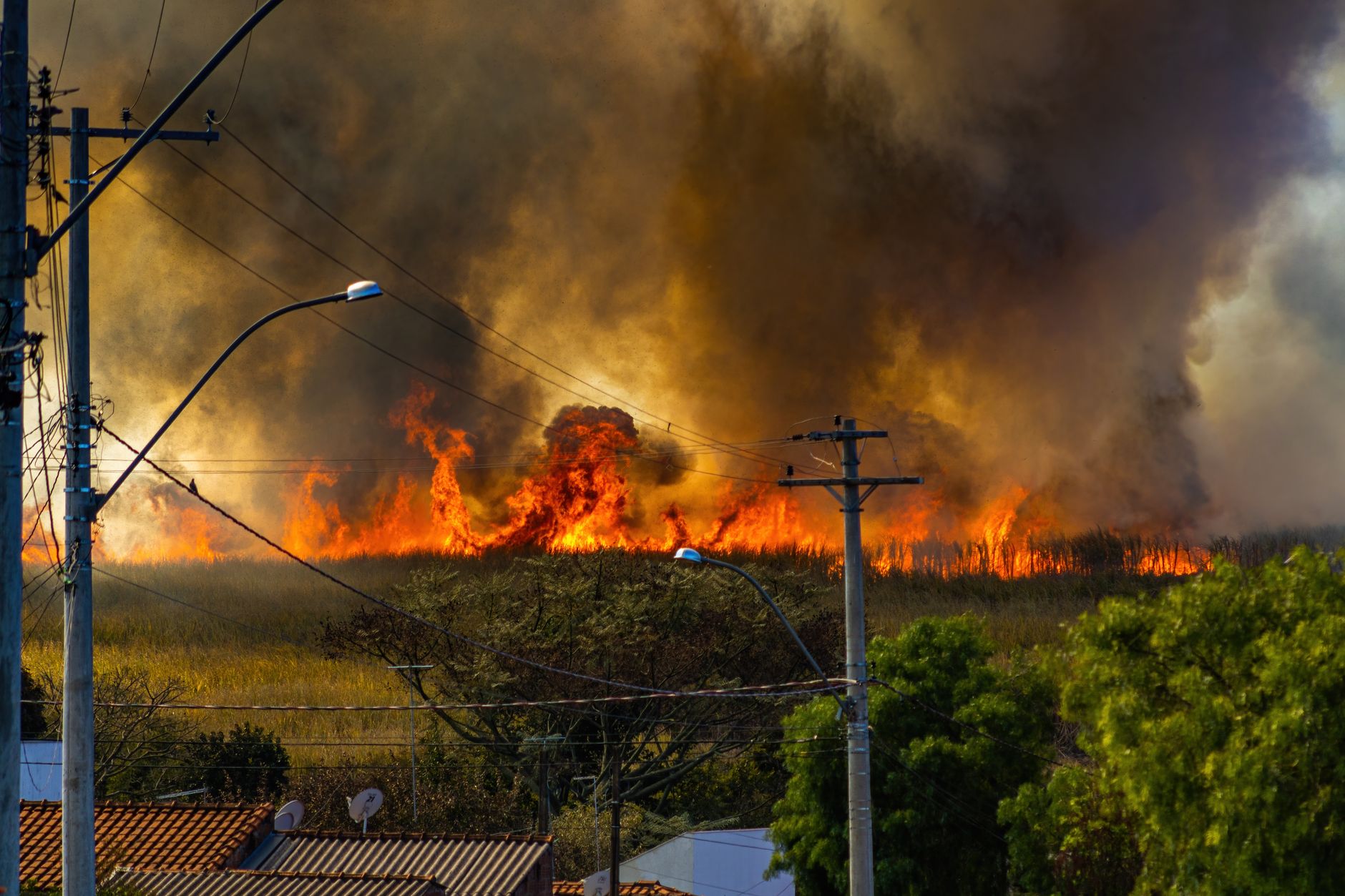
The climate threats report provides essential insights into climate threats and actionable strategies to combat them. Edison International’s findings highlight the urgency of addressing these challenges.
Understanding Climate Threats
The latest climate threats report released by Edison International sheds light on the increasing dangers posed by climate change. The report outlines various threats that communities face, emphasizing the need for immediate action. Among the most pressing threats are:
- Extreme Weather Events: Rising temperatures contribute to more frequent and severe storms, floods, and wildfires.
- Rising Sea Levels: Coastal areas are particularly vulnerable, with many communities at risk of displacement.
- Water Scarcity: Altered precipitation patterns can lead to shortages of clean water, impacting agriculture and drinking supplies.
- Impact on Biodiversity: Ecosystems are disrupted, causing shifts in species populations and threatening endangered species.
In response to these challenges, the report highlights proven strategies to mitigate these threats. Implementing renewable energy solutions, enhancing infrastructure resilience, and promoting sustainable practices are essential steps that can be taken at both local and national levels. By understanding the full scope of climate threats, communities can better prepare for the future and work towards a safer environment for all.
Key Findings from the Report
The recent climate threats report by Edison International highlights several critical findings that underscore the urgency of addressing climate-related challenges. The report reveals that climate change is not just a distant threat but a current reality impacting communities across the globe.
- Rising Temperatures: Average global temperatures have increased significantly, leading to more frequent heatwaves and severe weather events.
- Sea Level Rise: Coastal areas are experiencing higher sea levels, resulting in increased flooding and erosion that threaten infrastructure and ecosystems.
- Impact on Biodiversity: Many species are at risk of extinction as their habitats become unsuitable due to changing climate conditions.
- Economic Consequences: The economic costs of climate inaction are substantial, with damages from natural disasters expected to increase significantly in the coming years.
These findings emphasize the need for immediate action. The report provides a roadmap for communities and policymakers, showcasing proven strategies to mitigate these threats and adapt to the changing environment. By implementing these measures, society can work towards a safer future for both people and the planet.
Actionable Solutions for Communities
Communities facing the realities of climate change can take proactive steps to mitigate its impacts, as highlighted in the latest climate threats report by Edison International. The report emphasizes several actionable solutions that can empower local populations.
Among the recommended strategies, the following stand out:
- Enhancing Infrastructure Resilience: Upgrading buildings and transportation systems to withstand extreme weather events is crucial. This includes retrofitting existing structures and investing in sustainable materials.
- Promoting Green Spaces: Increasing urban greenery can help absorb carbon emissions and reduce heat. Communities can create parks, gardens, and green roofs to improve air quality and enhance biodiversity.
- Encouraging Renewable Energy Adoption: Transitioning to solar, wind, and other renewable sources not only reduces dependency on fossil fuels but also lowers community carbon footprints.
- Implementing Education Programs: Raising awareness about climate change and sustainability practices empowers residents to make informed choices in their daily lives.
By adopting these strategies, communities can not only combat climate threats but also create a safer and more sustainable future for all.
The Future of Climate Resilience
The future of climate resilience hinges on our ability to adapt and respond to the challenges outlined in the latest climate threats report. As communities face increasing environmental pressures, strategic planning and implementation of innovative solutions become essential. The report highlights several key approaches that can empower localities to strengthen their defenses against climate-related disasters.
Among the most promising strategies are:
- Investing in Green Infrastructure: This includes creating urban green spaces that absorb rainwater and reduce heat.
- Enhancing Community Engagement: Involving residents in decision-making processes ensures that solutions are tailored to specific local needs.
- Promoting Sustainable Practices: Encouraging renewable energy use and reducing waste can significantly lower carbon footprints.
- Implementing Early Warning Systems: Advanced technology can provide timely alerts for severe weather events, allowing communities to prepare effectively.
By adopting these proven strategies, communities can build resilience against the escalating climate threats. As emphasized in the climate threats report, the path forward requires collaboration, innovation, and a commitment to sustainability for a safer future.
The climate threats report highlights innovative solutions that communities can adopt to mitigate the effects of global warming. By implementing the strategies outlined in the climate threats report, we can pave the way for a more sustainable and resilient future.
Photo by Alexandre P. Junior on Pexels

Leave a Reply